
India’s media and entertainment (M&E) industry is no longer just growing—it is being completely redefined. With the sector reaching ₹2.78 trillion in 2025 and steadily moving toward the ₹3 trillion milestone, the numbers tell a story of scale. But the real transformation lies in how the industry is evolving.
This is not just a content boom. It is the rise of a new media ecosystem powered by artificial intelligence, digital consumption, and immersive experiences.
Three powerful forces are driving this shift:
- The dominance of digital platforms
- The explosive growth of live and experiential entertainment
- The integration of AI across the value chain
Together, these forces are reshaping how content is created, consumed, and monetized—turning India into one of the most dynamic media markets in the world.
Digital Media: From Alternative to Dominant Force
One of the most defining shifts in the Indian M&E industry is the rise of digital media as the largest segment.
Crossing the ₹1 trillion mark, digital media has overtaken traditional formats like television and print. This is not just a milestone—it signals a structural transformation in consumer behavior.
India now has:
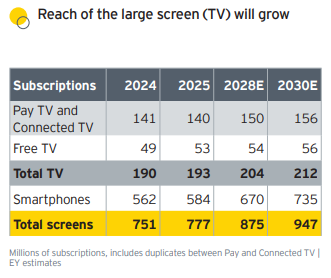
- Over 584 million smartphone users
- Hundreds of millions of digital video consumers
- Billions of hours are spent on mobile devices annually
Digital advertising has also surged, contributing over 60% of total ad revenues, with performance marketing and e-commerce-driven campaigns leading the way.
What’s Driving This Shift?
- Affordable internet and widespread connectivity
- Growth of OTT platforms and short-form video apps
- Increasing comfort with digital payments and subscriptions
- Demand for personalized, on-demand content
👉 The key takeaway: Digital is no longer a distribution channel—it is the foundation of the entire media ecosystem.
Content Explosion: Scale Without Limits
India is now one of the largest content producers globally.
The industry produces:
- Nearly 200,000 hours of content annually
- Over 1,900 films each year
- Dozens of high-performing blockbuster releases
Yet, despite this massive output, a surprising insight emerges:
👉 A majority of content is still created for traditional platforms, indicating that digital content growth is still in its early stages.
This creates a massive opportunity for:
- OTT platforms
- Independent creators
- Regional storytelling
The sheer scale of content also brings a new challenge:
👉 How do you ensure the right content reaches the right audience?
The answer lies in AI-driven discovery and personalization.
Regional Content: The Real Growth Engine
India’s diversity is becoming its biggest strength in the media space.
Regional content has seen exponential growth:
- OTT platforms are investing heavily in regional languages
- Regional films dominate overall production
- Audiences prefer content that reflects local culture and identity
In fact, regional content now accounts for a majority share of consumption on many platforms.
Why This Matters
India is not a single homogeneous market—it is a collection of micro-markets with unique preferences.
This creates both:
- Opportunity (massive untapped audiences)
- Complexity (fragmented behavior patterns)
👉 Managing this diversity at scale is only possible through AI-powered analytics and intelligent systems.
Rise of Live & Experiential Entertainment
While digital continues to dominate, live events have emerged as one of the fastest-growing segments in the industry.
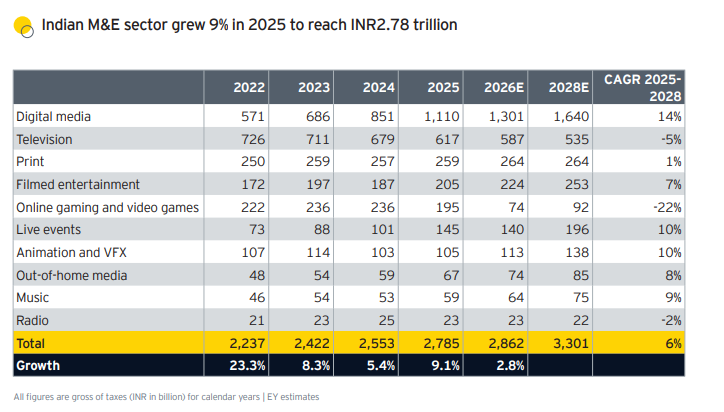
The sector witnessed an impressive 44% growth in 2025, driven by:
- Concerts and music festivals
- Sports events
- Cultural and religious gatherings
- Corporate and government events
Looking ahead, India is expected to host 200+ large-scale concert days annually by 2028, signaling a massive expansion of the experience economy.
Why Are Live Events Booming?
Modern audiences are seeking:
- Real-world experiences
- Social engagement
- Emotional connections
Unlike digital content, live events offer:
- Immediacy
- Immersion
- Community
However, they also present unique challenges:
- Crowd management
- Security risks
- Limited visibility into audience behavior
👉 This is where technology—and specifically AI—plays a transformative role.
AI: The Intelligence Layer of Modern Media
Artificial Intelligence is rapidly becoming the backbone of the M&E industry.
It is no longer limited to backend processes—it is shaping every aspect of media:
1. Content Creation
- AI-assisted editing and production
- Automated subtitling and localization
- Visual effects and enhancements
2. Content Distribution
- Recommendation engines
- Personalized content feeds
- Dynamic content delivery
3. Advertising & Monetization
- Programmatic advertising
- Real-time bidding systems
- Audience targeting
4. Audience Insights
- Behavioral tracking
- Predictive analytics
- Engagement measurement
But perhaps the most exciting evolution is happening beyond screens.
👉 AI is moving into the physical world, enabling real-time intelligence in environments like events, stadiums, and public spaces.
Connected TVs and Multi-Screen Behavior
Another major shift is the rise of Connected TVs (CTVs).
India now has:
- 68 million connected TV households
- Around 40 million weekly active users
This signals the convergence of traditional television and digital platforms.
The New Viewing Journey
Today’s consumer:
- Discovers content on mobile
- Watches it on TV
- Shares it on social media
This multi-screen behavior creates new opportunities:
- Cross-platform advertising
- Unified audience measurement
- Enhanced user experiences
👉 The future of media is not device-specific—it is ecosystem-driven.
Advertising: From Reach to Results
Advertising in India is undergoing a fundamental transformation.
The focus has shifted from:
- Mass reach → Measurable performance
With digital dominating ad spend, brands now demand:
- ROI-driven campaigns
- Real-time performance tracking
- Precise audience targeting
E-commerce, gaming, and digital-first brands are leading this shift, investing heavily in performance marketing.
👉 Data has become the most valuable currency in advertising.
From Content Economy to Intelligence Economy
When you connect all these trends—digital growth, regional expansion, live experiences, and AI integration—a clear pattern emerges.
India’s M&E industry is transitioning into an intelligence economy.
Old Model vs New Model
| Traditional Media | Intelligent Media |
| Content-driven | Data-driven |
| Mass audience | Personalized audience |
| Delayed insights | Real-time insights |
| Passive consumption | Interactive experiences |
In this new model, success depends on:
- Understanding audiences deeply
- Acting on insights instantly
- Continuously optimizing experiences
Alphanso Technology: Enabling Intelligent Media Ecosystems
As the industry becomes more data-driven, there is a growing need to bridge the gap between physical environments and digital intelligence.
This is where Alphanso Technology plays a crucial role.
Transforming Cameras into Smart Systems
Most organizations already have camera infrastructure in place. However, these systems are often underutilized.
Alphanso Technology transforms them into:
- Real-time analytics engines
- Intelligent monitoring platforms
- Decision-making tools
By leveraging AI and computer vision, it enables:
- Crowd behavior analysis
- Automated threat detection
- Audience engagement insights
- Operational efficiency improvements
Real-World Applications in Media & Entertainment
Live Events & Concerts
- Monitor crowd density and movement
- Enhance security and safety
- Optimize entry and exit flow
Sports & Stadiums
- Track audience engagement
- Improve fan experience
- Enable smart surveillance
Media Production
- Monitor on-ground activities
- Improve workflow efficiency
- Detect anomalies in real time
Advertising & Retail
- Measure footfall and engagement
- Analyze viewer attention
- Optimize campaign performance
Conclusion: The Future Belongs to Intelligent Media
India’s media and entertainment industry is entering a new era—one defined not just by growth, but by intelligence, adaptability, and innovation.
The next phase will be driven by:
- AI-powered insights
- Real-time decision-making
- Experience-driven engagement
The question is no longer who can create the most content.
👉 The real advantage lies with those who can understand, measure, and optimize content and experiences in real time.
Alphanso Technology stands at the forefront of this transformation, empowering organizations to harness the power of visual AI and build the next generation of intelligent media ecosystems.
Frequently Asked Questions (FAQs)
What is driving the growth of India’s media and entertainment industry?
India’s media and entertainment industry is growing due to a combination of factors, including rapid digital adoption, increasing smartphone penetration, affordable internet access, and the rise of OTT platforms. Additionally, the growing popularity of regional content and live events is expanding audience reach. The integration of AI and data analytics is further accelerating growth by enabling personalized content and targeted advertising.
How is digital media transforming the Indian media landscape?
Digital media has become the largest segment in India’s media industry, surpassing traditional platforms like television. It enables on-demand content consumption, personalized recommendations, and real-time engagement tracking. Digital platforms also allow advertisers to target specific audiences more effectively, making marketing more efficient and measurable.
What role does Artificial Intelligence play in the media industry?
Artificial Intelligence is transforming the media industry by automating content creation, improving content recommendations, optimizing advertising, and providing real-time audience insights. AI helps media companies understand viewer behavior, predict trends, and deliver personalized experiences at scale, making it a critical component of modern media ecosystems.
Why are live events becoming a major growth segment in India?
Live events are growing rapidly because audiences increasingly seek immersive and social experiences. Concerts, sports events, and cultural gatherings provide real-world engagement that digital platforms cannot fully replicate. With the rise of experiential entertainment, live events are becoming key revenue drivers and engagement platforms within the industry.
How is regional content shaping the future of media in India?
Regional content is playing a crucial role in expanding the reach of media platforms. Audiences prefer content in their native languages, leading to increased production of regional films and OTT content. This trend is helping media companies tap into new markets and build deeper connections with diverse audiences across the country.
What are Connected TVs, and why are they important?
Connected TVs (CTVs) are TVs that are connected to the internet, allowing users to stream digital content directly. They are important because they combine the immersive experience of traditional TV with the personalization and flexibility of digital platforms. The rise of CTVs is driving multi-screen consumption and creating new opportunities for advertisers and content creators.
How is advertising evolving in the Indian media industry?
Advertising is shifting from mass reach to performance-driven strategies. Digital platforms enable real-time tracking, precise audience targeting, and measurable ROI. Brands are increasingly investing in programmatic advertising and data-driven campaigns to improve efficiency and effectiveness.
What is meant by the ‘intelligence economy’ in the media?
The intelligence economy refers to the shift from content-focused media to data-driven media. In this model, success depends on the ability to collect, analyze, and act on data in real time. Media companies use AI and analytics to understand audience behavior, personalize experiences, and optimize content and advertising strategies.
How can AI improve live event management and audience experience?
AI can significantly enhance live events by enabling real-time crowd monitoring, improving security, analyzing audience behavior, and optimizing logistics such as entry and exit flow. It helps event organizers make data-driven decisions, ensuring better safety, efficiency, and overall audience experience.
What is the future of India’s media and entertainment industry?
The future of India’s media industry lies in AI-driven personalization, real-time analytics, and immersive experiences. As digital adoption continues to grow and technologies evolve, the industry will become more data-driven, interactive, and globally competitive. Businesses that leverage intelligent systems will lead the next phase of growth.